
Texas doesn’t do ordinary, and its national parks are proof. Out west, mountains rise out of the desert, hidden until you stumble upon them. In central Texas, rivers flow through limestone canyons, calm and easy to explore. Each park feels like its own world, shaped by wind, time, and the kind of wild beauty you can’t fake.

Most people don’t realize that Texas has 15 sites managed by the National Park Service, including national parks, monuments, seashores, and historical trails. If you’re ready to leave the roads behind and see how far the land really goes, these Texas parks are worth the drive.

Big Bend National Park
Sitting on the widest bend of the Rio Grande, Big Bend draws over 450,000 visitors each year, making it one of Texas’s most visited parks. It’s surprising to think that before the park existed, this area was one of the most remote in the country, reachable only by narrow dirt roads.

Today, you can hike through sandstone valleys framed by towering cliffs without the same struggle. The park is full of desert views and wildlife, and there are plenty of ways to explore. Follow one of the many hiking trails, check out the hot springs and ancient petroglyphs, or spend a night under the stars in the quiet Texas desert.
Guadalupe Mountains National Park
Guadalupe Mountains National Park is full of sharp peaks, quiet canyons, and wide open skies. The park sits in West Texas, about two hours from El Paso. The best time to visit Guadalupe Mountains is in the fall, when the cool weather is good for hikes and the trees add bursts of color.

The park’s standout feature is Guadalupe Peak, marked by a metal pyramid at the summit. The trail up is tough, taking 6 to 8 hours, but from the top you can see nearly the whole park and the far West Texas desert laid out below.
Other notable spots in Guadalupe Mountains National Park include McKittrick Canyon, the lesser-known formation called “The Bowl,” and Bush Mountain, which is reached via a challenging hike. Keep in mind that rattlesnakes live in the park -they aren’t everywhere, but several species are present and all are venomous, so watch your step.

Padre Island National Seashore
Padre Island National Seashore is the world’s largest undeveloped barrier island, stretching over 130,000 acres of shifting dunes, windswept grasslands, and sunny beaches along Texas’ Gulf Coast. Padre Island National Seashore is one of my favorite spots to camping with the kids.
While the southern tip, South Padre Island, has a reputation for spring break and parties, that hardly reflects the rest of the Padre coastline.

Here, the national seashore is calm and largely untouched, with pristine beaches, scenic shoreline trails, and the chance to see sea turtle hatchlings making their first journey to the sea.
Stop by the Malaquite Visitor Center and Pavilion to learn about the area, swim at Malaquite, North, or South beaches, take a boat out to Bird Island, and explore many other treasures in this remarkable coastal park.

San Antonio Missions National Historical Park
In San Antonio, you will find one of America’s most notable UNESCO World Heritage sites. San Antonio Missions National Historical Park preserves four of the city’s oldest Spanish Colonial missions, including the iconic Alamo.
The Alamo, along with the missions of Concepción, San José, San Juan, and Espada, were built by Spanish priests in the 18th century to serve as the heart of a new, diverse community. Situated along the San Antonio River, they are easy to visit by following the Mission Trail.

The Alamo is the oldest of San Antonio’s Spanish colonial missions, founded in the early 18th century. It became famous as the site where Texas defenders made their last stand against the Mexican army in 1836. Today, it stands as a symbol of Texas history and resilience, attracting visitors from around the world.
Lyndon B. Johnson National Historical Park
If you’re interested in learning about former President Lyndon B. Johnson, this park is a must-visit. Just over an hour west of Austin, it traces Johnson’s life from his ancestors to his final resting place on the LBJ Ranch.
The park includes his boyhood home, the Johnson Settlement, and the LBJ Ranch – often called the Texas White House – so be sure to take an audio tour or guided tour to hear the full story.

Big Thicket National Preserve
Big Thicket National Preserve is a tangle of forests, wetlands, and winding waterways in Southeast Texas, not far from the Louisiana border. It’s worth teh drive from Houston.
You can explore different units like Beaumont, Beech Creek, Big Sandy Creek, Turkey Creek, Hickory Creek Savannah, Canyonlands, and Loblolly, each with its own mix of trails and quiet backcountry.
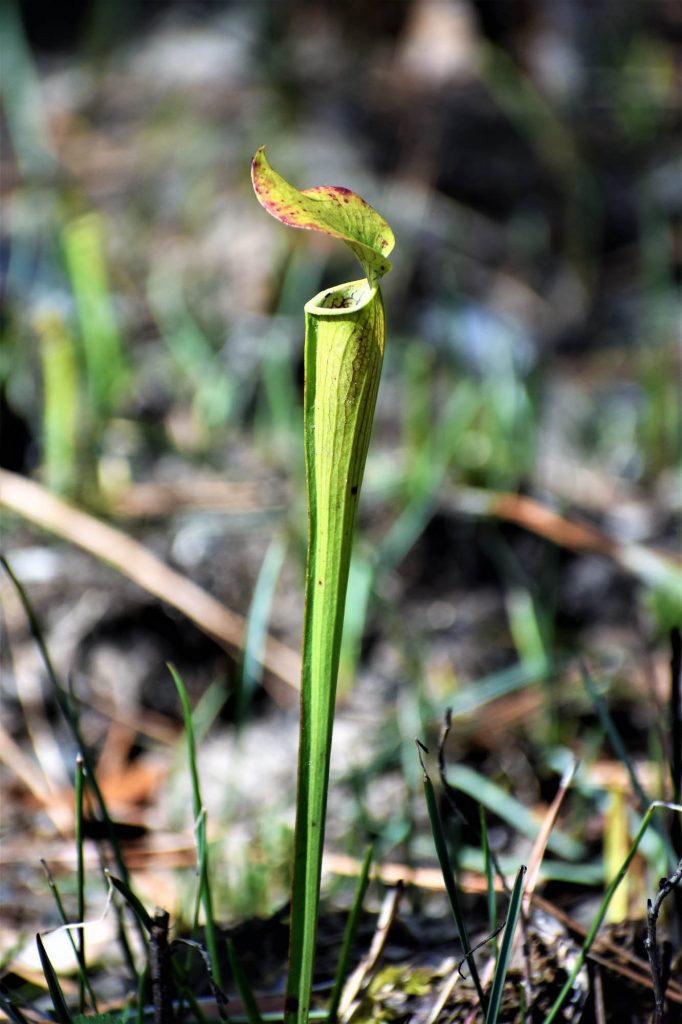
Some areas have primitive camping if you want to spend the night among the pines and cypress, and paddling through the slow rivers and creeks gives a whole different view of this wild, sprawling landscape.
Alibates Flint Quarries National Monument
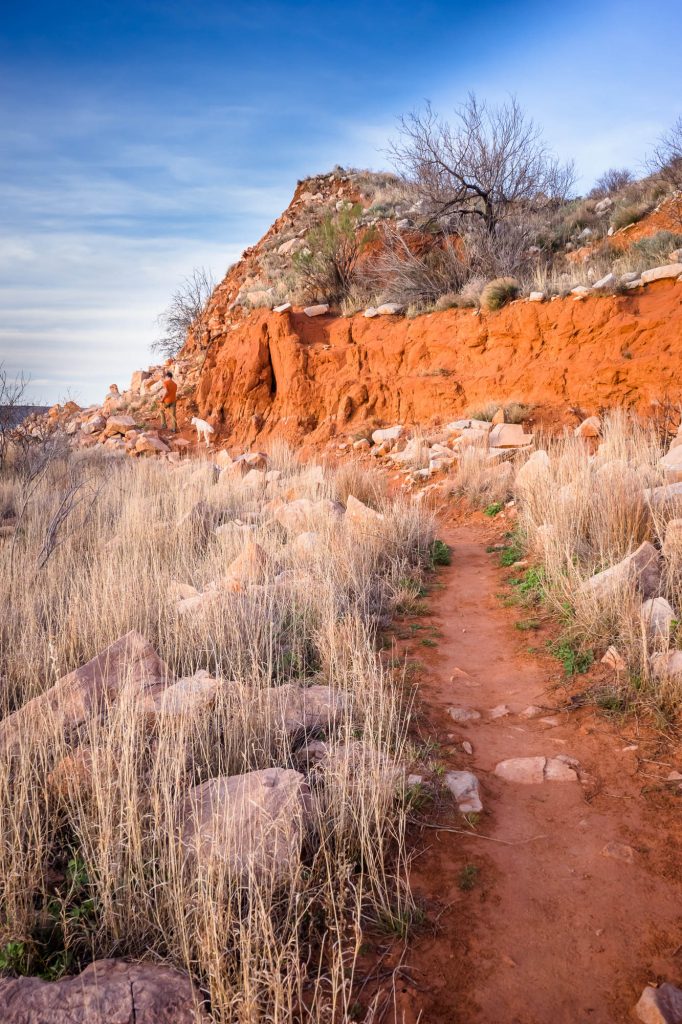
For thousands of years, flint was a crucial resource for making fire and crafting tools and arrowheads. The High Plains of Texas were an important source, and the Alibates Flint Quarries, located about five and a half hours north of Fort Worth, were used by people as far back as 9500 B.C.
Today, visitors can hike with a ranger to the quarries, learn about how ancient peoples worked the flint, and see examples of the tools and arrowheads made from this material. The park is an interesting stop is you’re in the area.
Amistad National Recreation Area
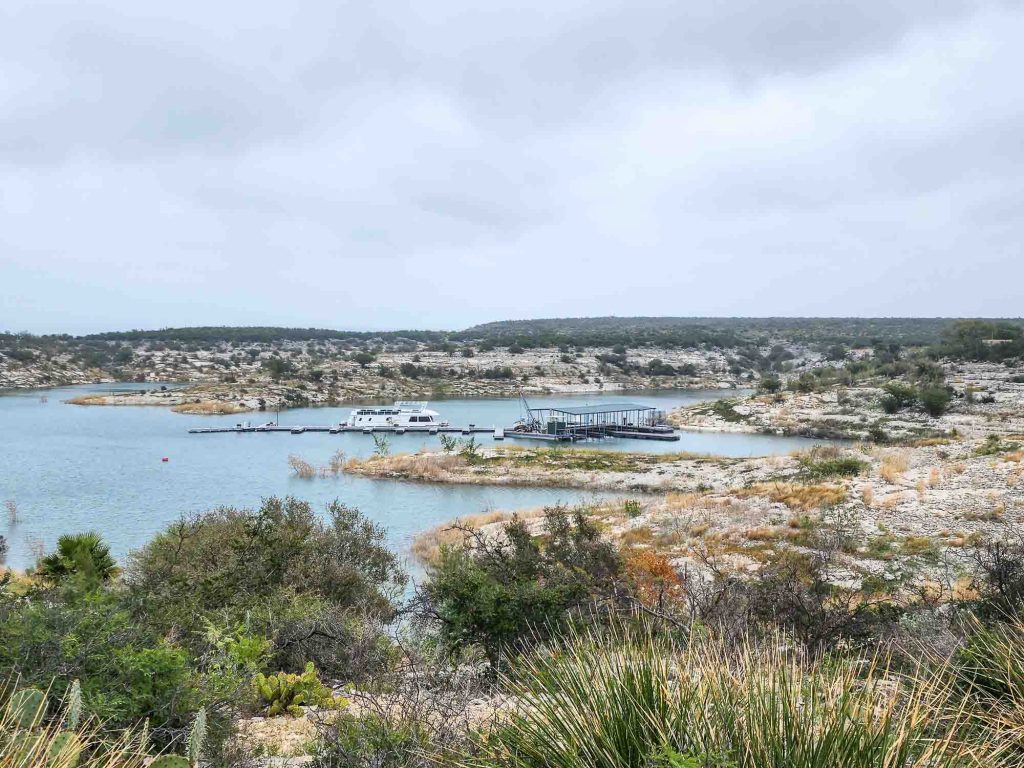
This desert park centers on the Amistad Reservoir, which is shared between the U.S. and Mexico. It’s about two hours and fifty minutes from San Antonio, right along the border. The Visitor Center on Highway 90 is a good place to start – it has good displays, artifacts, and activities for kids.
Key spots include the Amistad Dam, where you can view the structure up close and learn about its role in hydroelectric power and water management, picnic areas and walking trails along the water, and the reservoir itself for swimming or boating. For those who prefer to see the landscape from a vehicle, the unpaved Viewpoint Road offers a straightforward scenic drive with good views of the shoreline and desert terrain.
Chamizal National Memorial
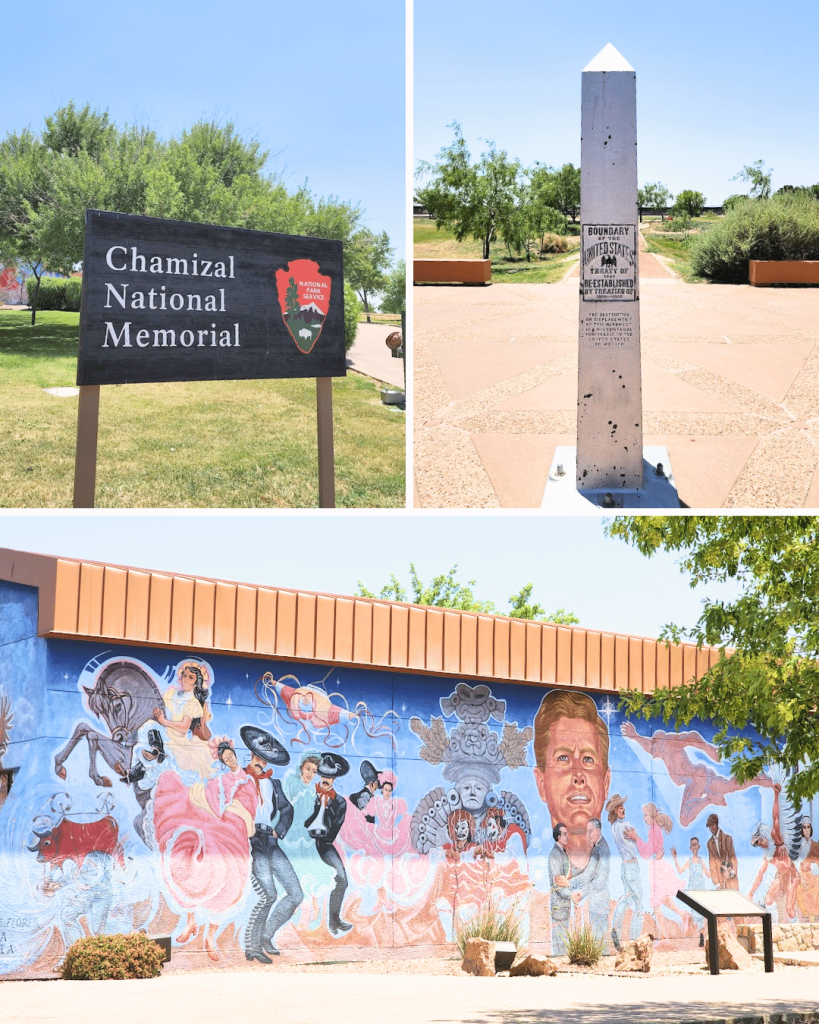
Chamizal National Memorial is located in El Paso along the U.S.-Mexico border and marks the site where a long land dispute was settled in 1964. The park includes well-maintained gardens, walking paths, and a museum that explains the history of the Chamizal conflict and how the border was formally adjusted. There’s also an amphitheater where cultural events and performances take place, making it a place to learn about the history and community of this border region.
El Camino Real de Los Tejas
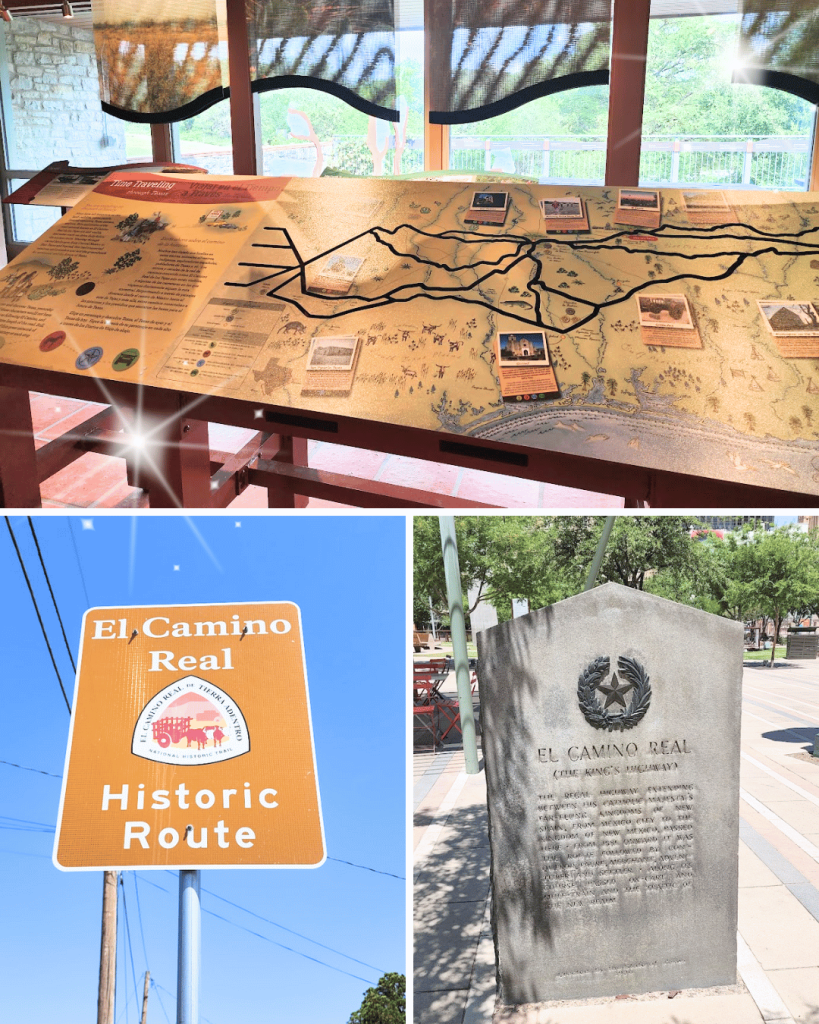
El Camino Real de los Tejas traces one of the oldest roads in Texas, winding more than 400 miles from the Louisiana border down toward Mexico. This was the route Spanish settlers, missionaries, and traders used for centuries, linking small towns, missions, and trading posts along the way.
If you follow El Camino Real today, there are several modern sights that highlight the history of the route. In El Paso, you can explore the historic downtown and visit old mission sites. Nacogdoches, Texas’ oldest town, has historic homes, and the Sterne-Hoya House Museum. San Antonio features the Alamo and the San Fernando Cathedral.
Fort Davis National Historic Site
During the years when the U.S. Army and Native American tribes were in conflict, military outposts like Fort Davis dotted the western frontier, serving as both defense posts and supply hubs. Located a little over three hours from El Paso, Fort Davis is one of the best-preserved forts from that era and offers a genuine sense of life on the remote Texas frontier.
Walking through the grounds, you can see original stone buildings and reconstructed barracks, watch daily reenactments with soldiers in period uniforms, and hear the bugle at scheduled times – just as it would have signaled the routines of army life. The surrounding trails through Chihuahuan Desert landscape have scenic views of local flora and fauna.

Lake Meredith National Recreation Area
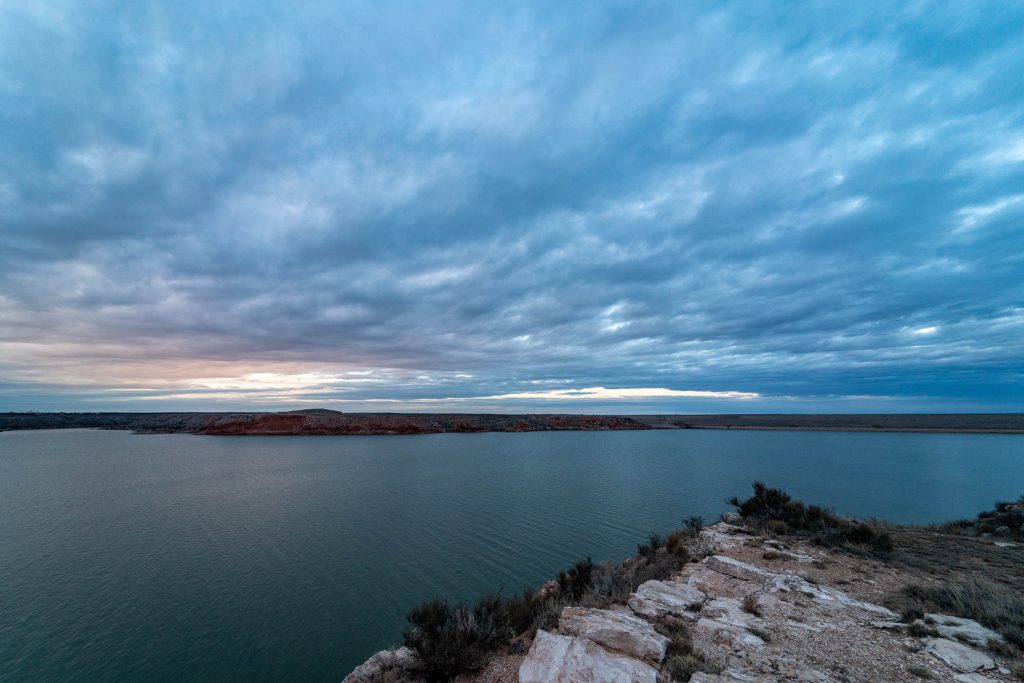
The Texas Panhandle is mostly flat plains and open land, but Lake Meredith adds variety with its clear waters and surrounding canyonlands. The lake is a reservoir formed by Sanford Dam on the Canadian River, which over time carved the 200-foot-deep canyons around it. You can explore the area by canoe or kayak and see the local wildlife, then walk one of the trails, including Harbor Bay, Mullinaw, and South Turkey Creek.
Palo Alto Battlefield National Historical Park
Palo Alto Battlefield is just north of Brownsville, near the Texas-Mexico border. It is quiet now, but it was the site of the first major clash of the Mexican-American War in 1846. The battlefield played an important role in the shaping of the modern-day United States.
The wide-open plains remain much as they were, giving a clear sense of the battlefield and how the troops were positioned. The park has walking trails and a small visitor center where you can dig into the history and get a sense of the decisions and chaos that shaped the battle.

Rio Grande Wild and Scenic River
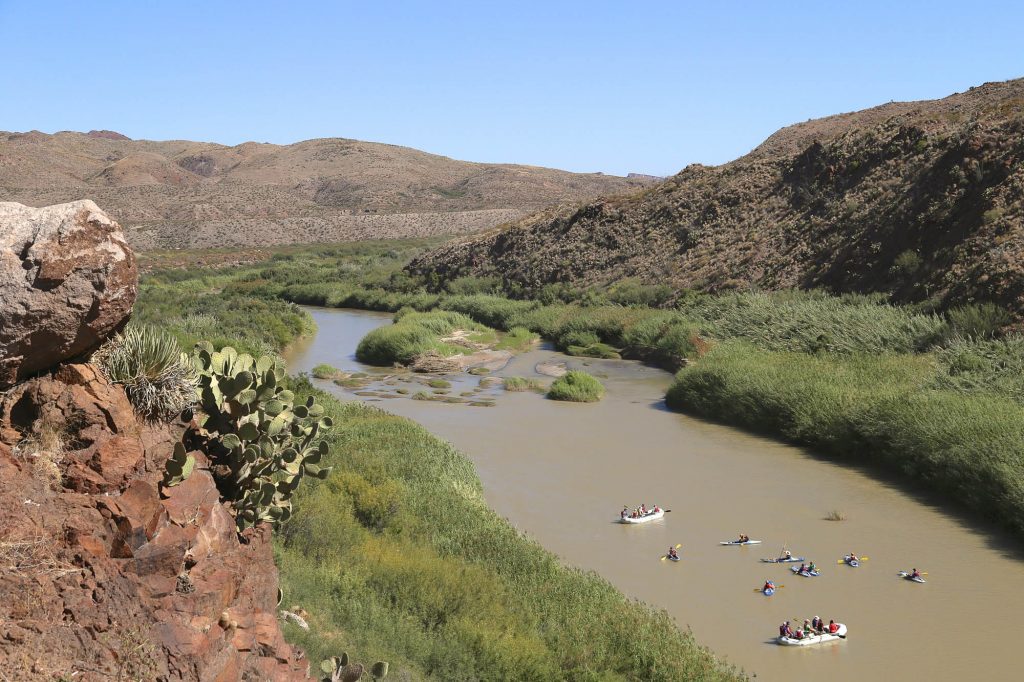
Did you know, a stretch of the Rio Grande through West Texas is designated as a Wild and Scenic River to protect its unique habitat? The section is 196 mile long and extends along the boundary of Big Bend National Park.

The river flows through towering canyon walls, dramatic rock formations, and rare desert ecosystems. For those up for it, there are float trips – either rafting or paddling – that give a close-up view of the river’s geological formations, unique wildlife, and the desert landscape.
Boquillas Canyon, Lower Canyons, and Mariscal Canyons offer some of the most excellent river cliffs and water views in both Mexico and the continental United States.
Waco Mammoth National Monument
The Waco Mammoth National Monument is a paleontological site in Waco, Texas. It preserves the remains of more than 20 Columbian mammoths. These massive creatures once roamed the area, grazing on the grasses and shrubs that flourished in the temperate climate.

Today, the mammoth skeletons are preserved in the sediments of an ancient riverbed. Their bones provide a fascinating glimpse into the past. Visitors to the monument can see the mammoth remains up close, as well as enjoy hiking and picnicking in the scenic setting.
Love reading the article.The Guadalupe Mountains has been impaired by the Gas industry from Pecos,Van Horn, area all the way up to the Guadalupe Mountains. I volunteered there as a Park Host. The smell of gas and the flare offs of wells, has lessened the beauty of the area. Just a FYI for your readers. Big Bend NP, and Big Bend Ranch are better parks with the Chiso Mountains, all the way to the Davis Mountains. Texas has beautiful parks, get out outside and enjoy the majesty and panoramic beauty of Texas.